


Why Smart People Build Dumb Things: Nash Equilibrium and the Art of Stable Absurdity
The fundamental flaw in our design of societies, economies, and organizations is a simple, mathematical misunderstanding: we confuse stability with optimality.
The fundamental flaw in our design of societies, economies, and organizations is a simple, mathematical misunderstanding: we confuse stability with optimality.

Companies spend hundreds of thousands of dollars searching for mythical 10x engineers, only to force them to work in a 0.1x environment. Why you don't need more heroes, but fewer roadblocks.
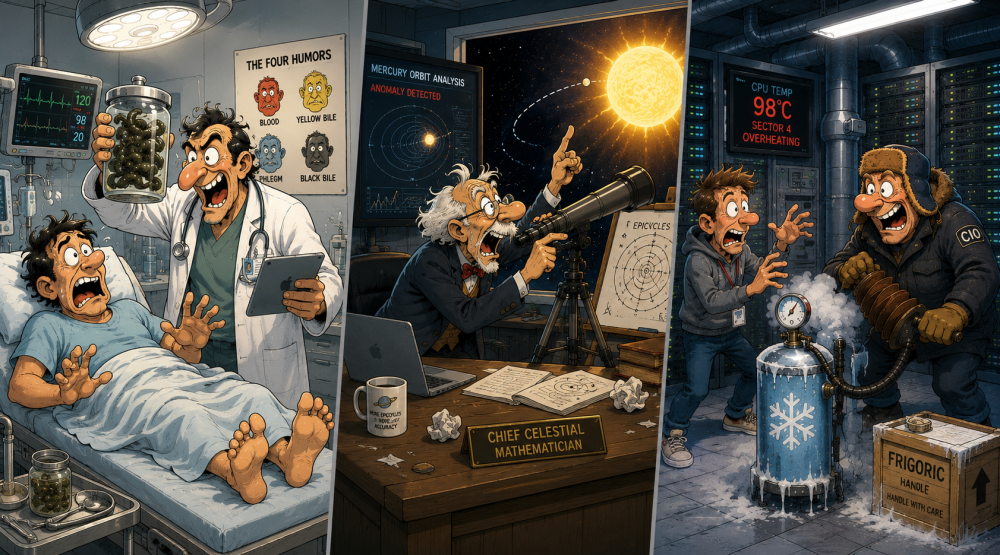
We keep running modern life on expired science. The scary part is not that the old theories were wrong; it is how many of their descendants are still in circulation.

Agentic AI is becoming the new Cloud. And we are repeating the exact same lazy, expensive mistakes.
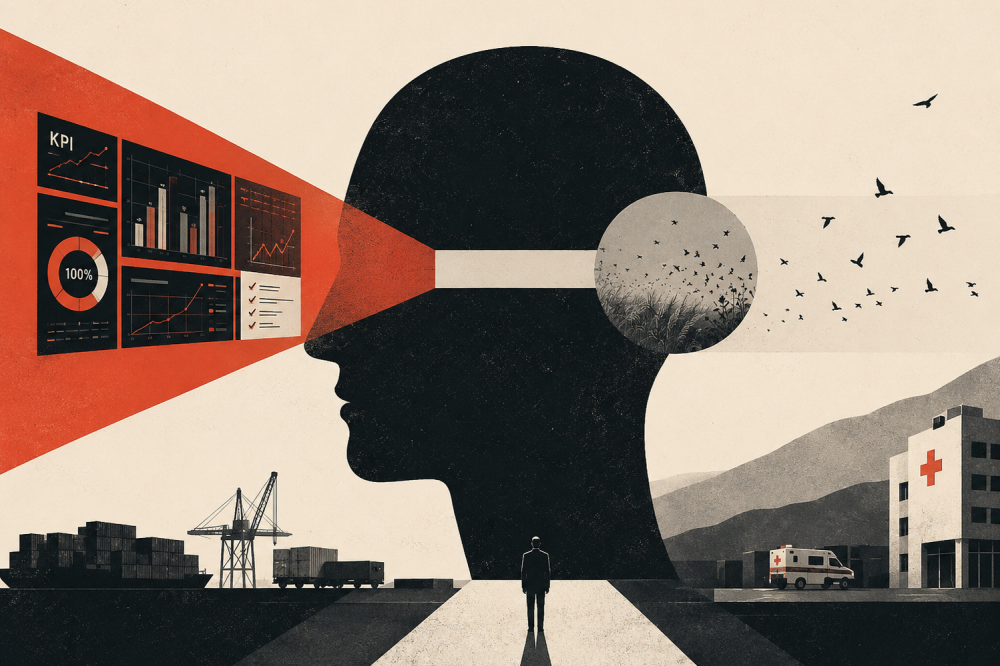
Every optimization creates a new blind spot. It's the unspoken tax of systemic design — and it's been killing projects, supply chains, and occasionally, entire populations.

Other high-stakes industries paid for their lessons in human constraints in blood and lawsuits. In IT, we prefer to ignore their hard-won wisdom, skip the wetware entirely, and task fifty engineers with reinventing the circle.
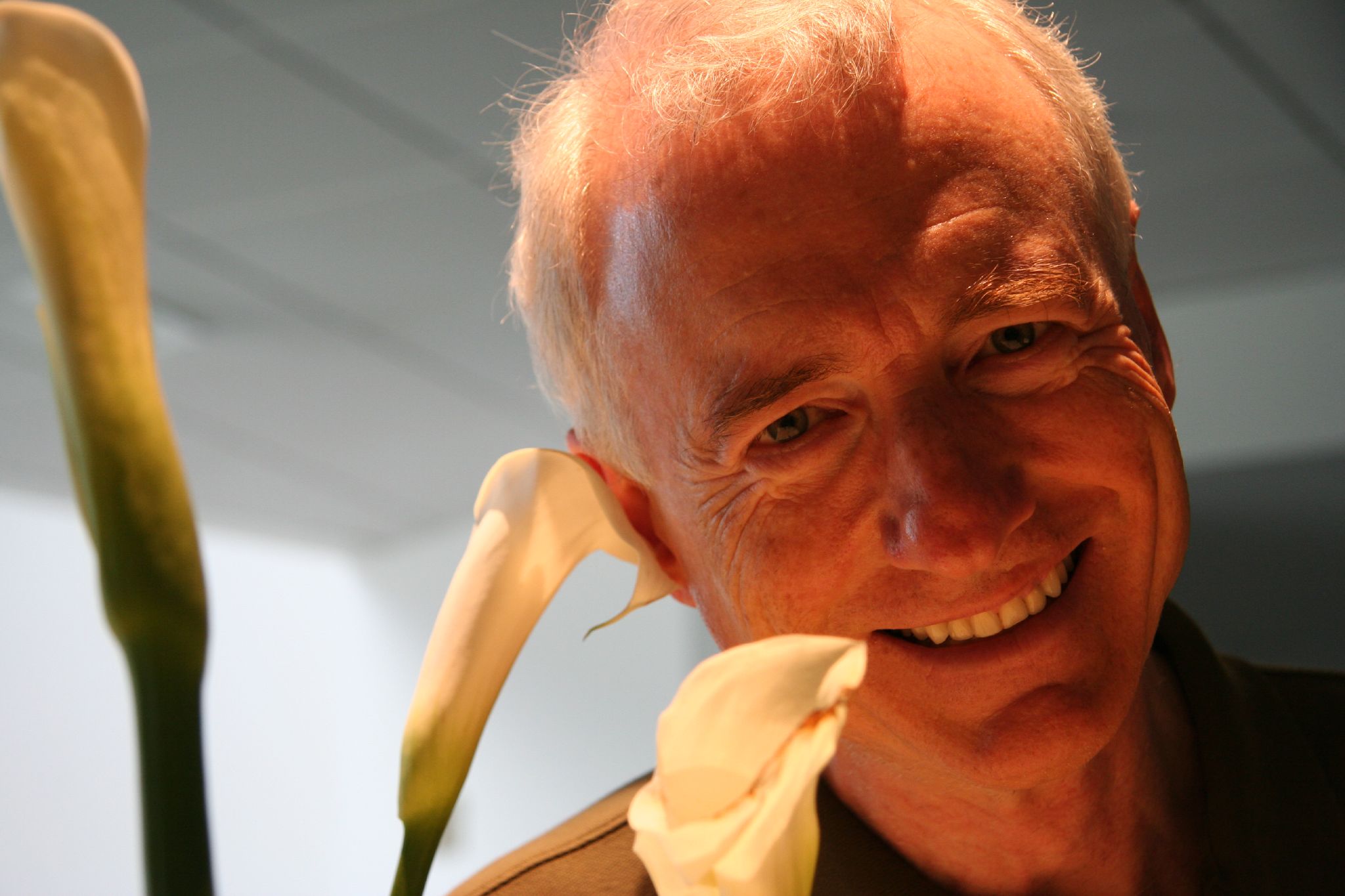
Larry Tesler gave us cut, copy, and paste. He also gave us an uncomfortable truth: complexity never disappears. It just moves. The only question is who gets stuck with it.

Everyone loves a low TTD. Management strokes their egos over it, dashboards celebrate it, and alert systems multiply to chase it. Here is why that is the wrong metric entirely.

"I finished" is the most dangerous lie in tech. In software, "Done" is a spectrum. Are you shipping a Hope-Driven Deliverable or reaching the true peak of Triple D?
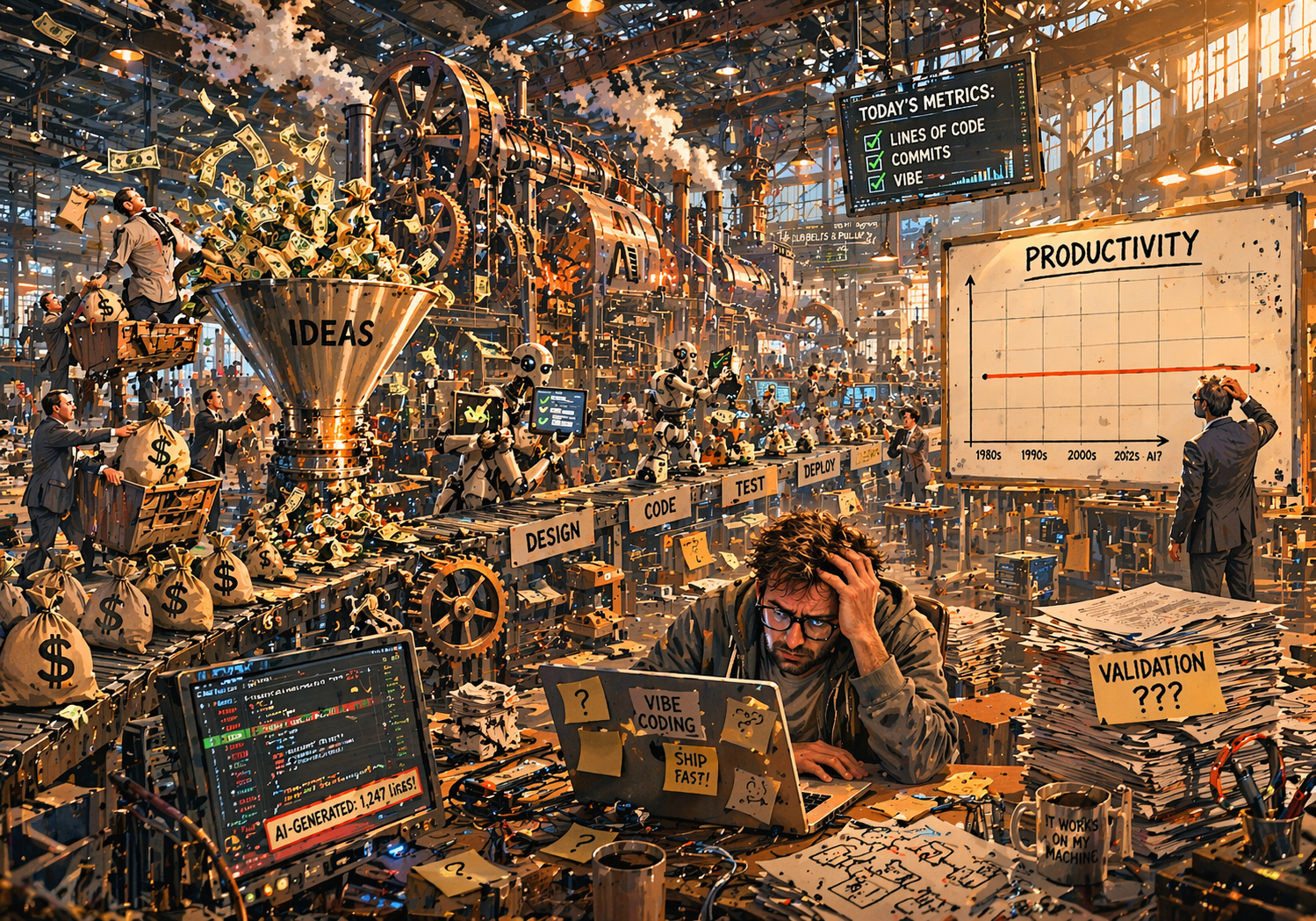
Right now, the software industry is about to step on the same rake. Again. We’ve spent 150 years assuming that swapping one component for a faster one would magically fix the economy.